This article was produced with AI assistance. Editorial standards apply — see our About editorial process.
Key takeaways
- VS Code: the model chooses the action; the harness prepares context, runs tools under permission rules, and stores the session.
- Google Cloud, updated 20 August 2026: a harness turns text generation into multi-step action. A fixed-prompt chatbot does not need one.
- Databricks: agent equals model plus harness. The loop is reason, act, observe, repeat.
- One open codebase publishes that split as plugins. The product page is a separate guide.
The definition
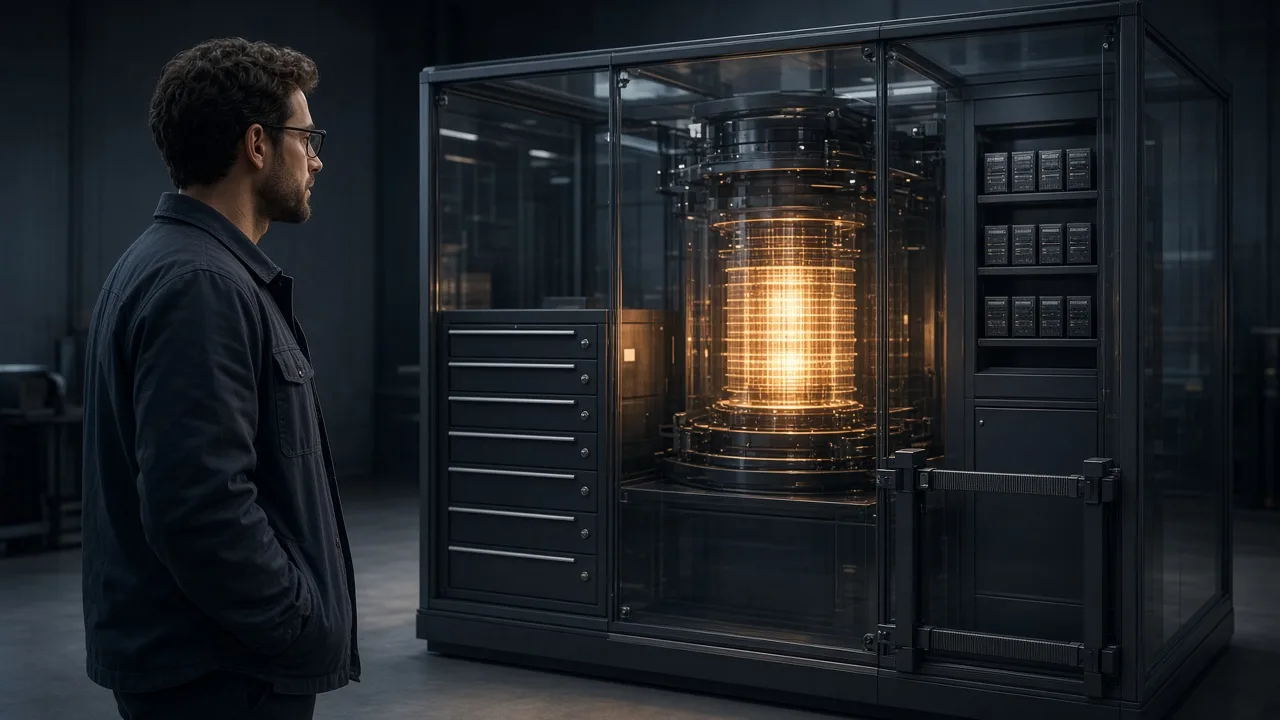
What is an agent harness is a runtime question: the software around a language model that connects the model to context and tools, runs the loop, and keeps session state so a prompt can change something outside the chat.
VS Code’s agent-harness article uses that split. The model reasons and chooses a reply or a tool request. The harness prepares the request, applies permission rules, routes the tool, returns the result, and records the conversation and the code changes. Changing model access does not switch harnesses. A role such as Agent, Plan, or Ask shapes behavior inside a harness and does not replace it. The execution environment, meaning your machine, a container, or a cloud host, is not the harness either.
Google Cloud’s explainer, updated 20 August 2026, calls an agent harness the environment that lets a model use tools, remember earlier steps, and run multi-step tasks. A plain language model generates text. The harness turns that text into an action and feeds the result back.
On this site the control split between a reply box and a system that acts is agent versus chatbot.
| Word | What it names | Source |
|---|---|---|
| Model | Reasons and proposes the next text or tool request. | VS Code; Databricks |
| Harness | Runs tools, holds memory, enforces permissions, records the session. | VS Code; Databricks; Google Cloud |
| Agent | The working system that combines the model and the harness. | Databricks: agent equals model plus harness |
| Environment | Where files and commands actually run. | VS Code: not the harness |
The reason, act, observe loop
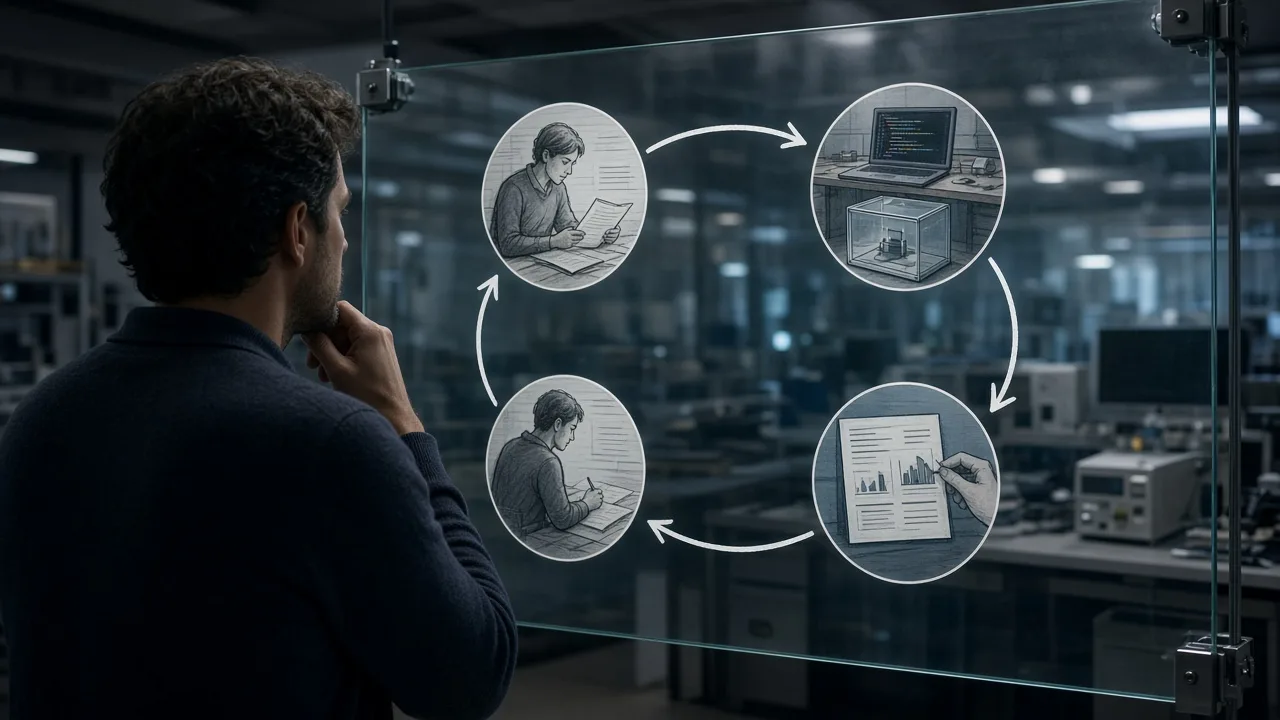
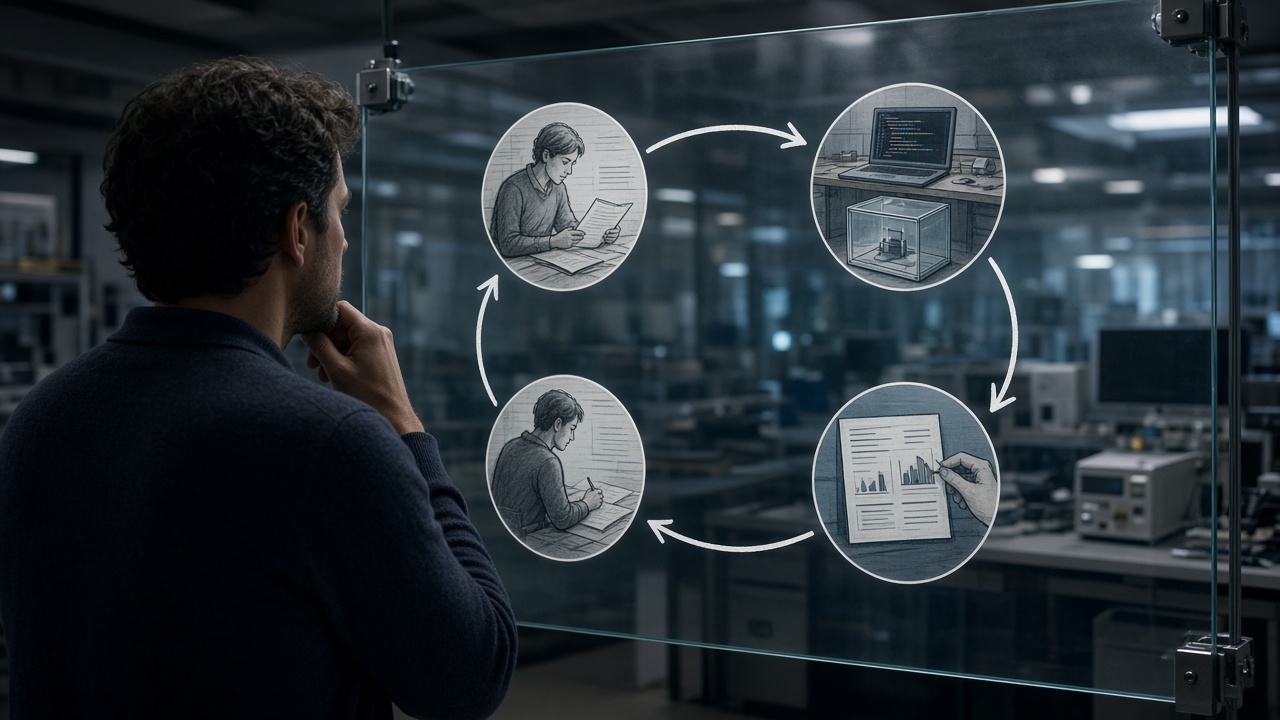
Databricks’ harness essay names the cycle: the model reads context and decides; the harness runs a tool, code, or API call; the harness returns the result as new context; the model decides again until the task stops. Databricks traces that pattern to the 2022 ReAct paper by Shunyu Yao and coauthors. The same essay lists eight blocks production harnesses tend to include: a system prompt, tools, a sandbox, a filesystem, memory and compaction, verification, guardrails, and observability.
A UC Berkeley lecture on software harness design states the same boundary in course notes: the model is the learned policy, and the harness is the wrapper that assembles context, formats tool calls, enforces rules, runs the loop, and manages recovery. The slides are the spring 2026 lecture PDF.
How a generative model differs from an older classifier is on generative versus traditional AI. The harness is the part that was never inside the classifier.
Harness versus an orchestration script
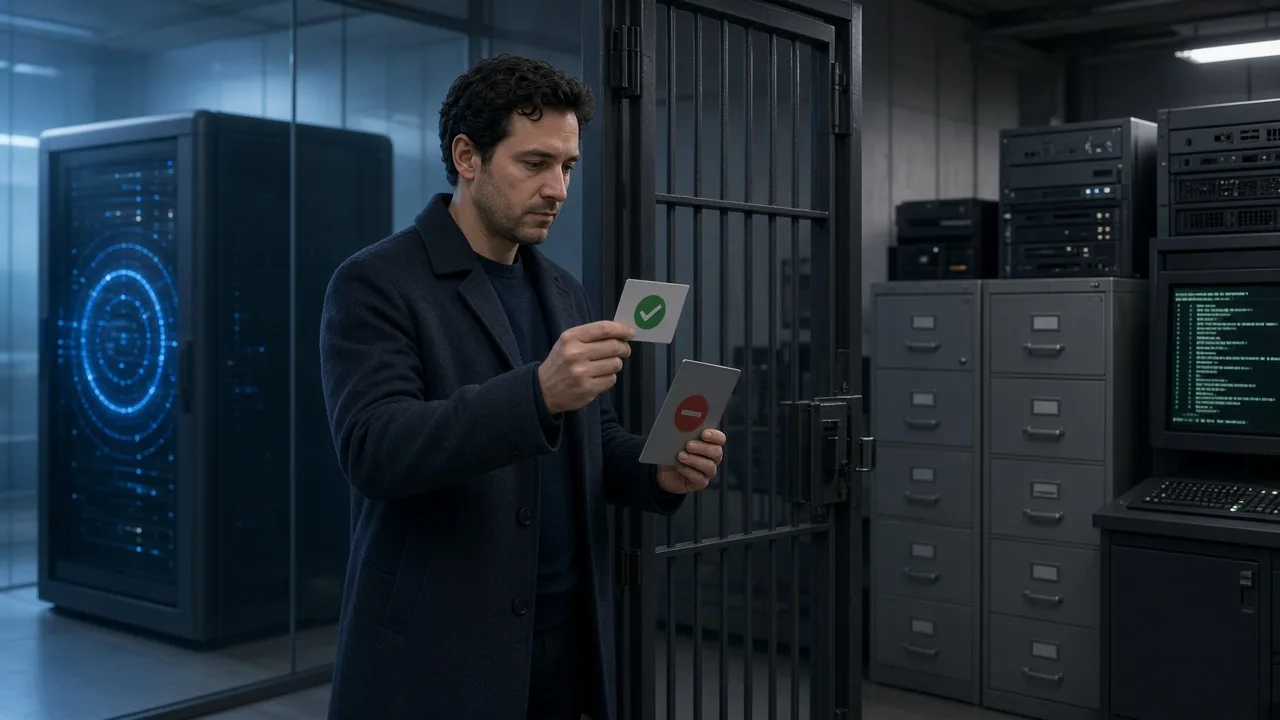
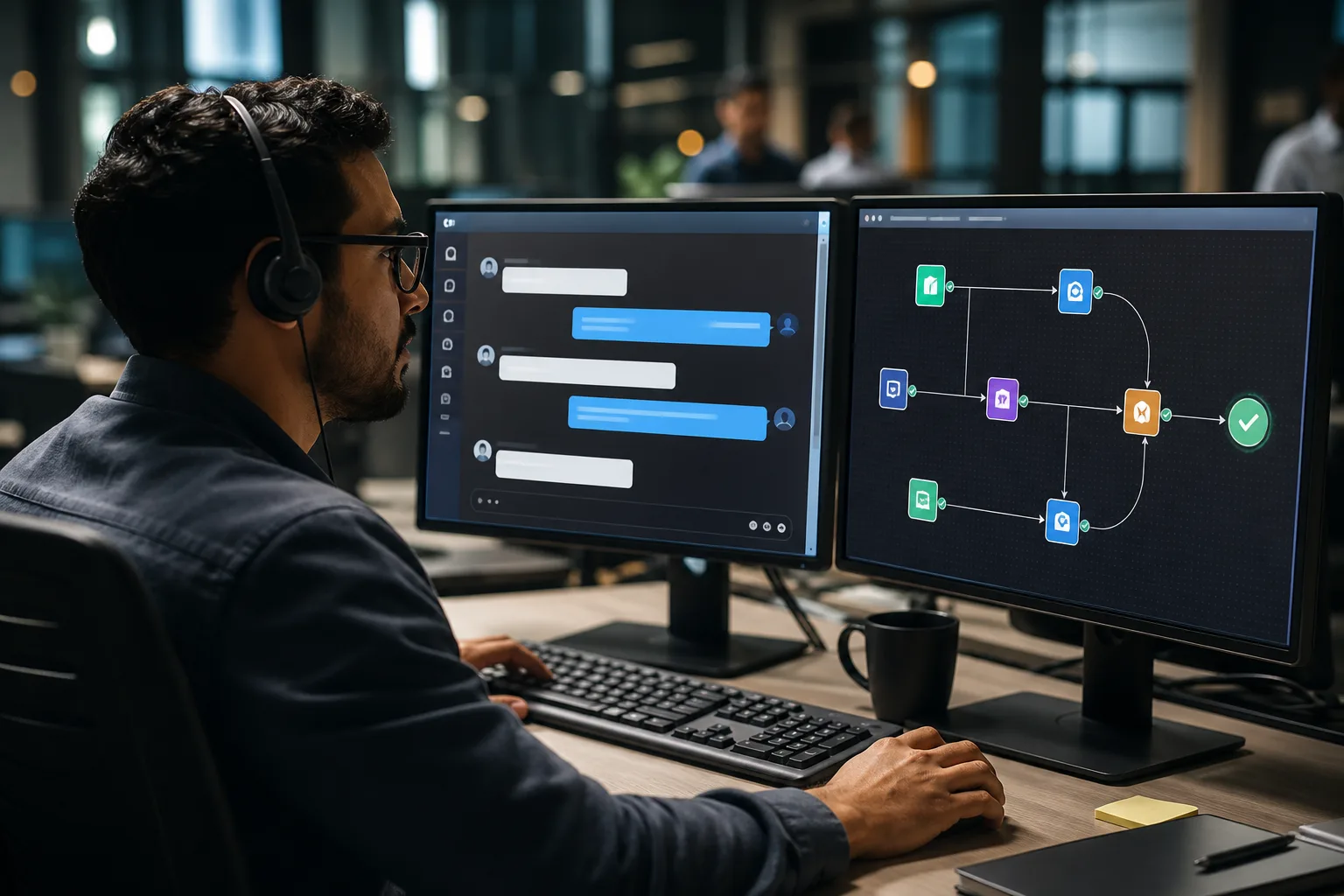
Google Cloud separates an orchestration framework from a harness. An orchestration framework chains prompts and data for the developer writing the application. A harness is the runtime that keeps an autonomous agent running, watching its own progress, and staying inside permission boundaries. Google’s page says many modern harnesses use the Model Context Protocol so tools can be swapped without rewriting the application, and it says a basic chatbot that only answers from a fixed prompt does not need that runtime.
Databricks reports one measurement of harness effect on its own OfficeQA task: GPT-5.5 with the OfficeQA Pro Agent Harness scored 52.63 percent, up from 36.10 percent with GPT-5.4. That figure is Databricks’ claim about Databricks’ harness, not a result from this site.
Instruction packs and tool protocols stay different layers. The site’s comparison is skills versus MCP tools.
One published runtime that draws the line
DeepSeek’s architecture document draws the line in public code: the model adapter, the tool registry, the session log, and the agent loop are plugins. The session log is the source of the context the model sees, and the document’s rule is that model-visible means logged. That is a concrete harness, not a synonym for the model.
Read the product boundaries, the preview warning, and the local Web UI on the open agent runtime guide. The cluster home is Productivity & Workflows.
FAQ
Is the harness the same thing as the model?
No. VS Code, Google Cloud, and Databricks each separate the model that reasons from the software that runs tools and stores state.
Does a chatbot need one?
Google Cloud says a chatbot that only answers from a fixed prompt or its training data does not need a full harness. Tool use, live data, and multi-step work are the cases that do.
Is MCP the harness?
No. Google Cloud describes MCP as a protocol many harnesses use to reach tools. The protocol is not the loop, the memory, or the permission check.
Does the same model score the same in every harness?
Databricks argues harness design changes results and publishes an OfficeQA pair, 52.63 percent versus 36.10 percent, for two GPT generations on its own harness. Treat that as their measurement.
Sources
- VS Code — Understand agent harnesses
- Google Cloud — What is an agent harness?
- Databricks — What is an AI agent harness?
- UC Berkeley — Software harness design lecture
- DeepSeek AI — architecture document
More guides like this appear when you search 'AI Agency Framework agent harness' on Google.