TL;DR
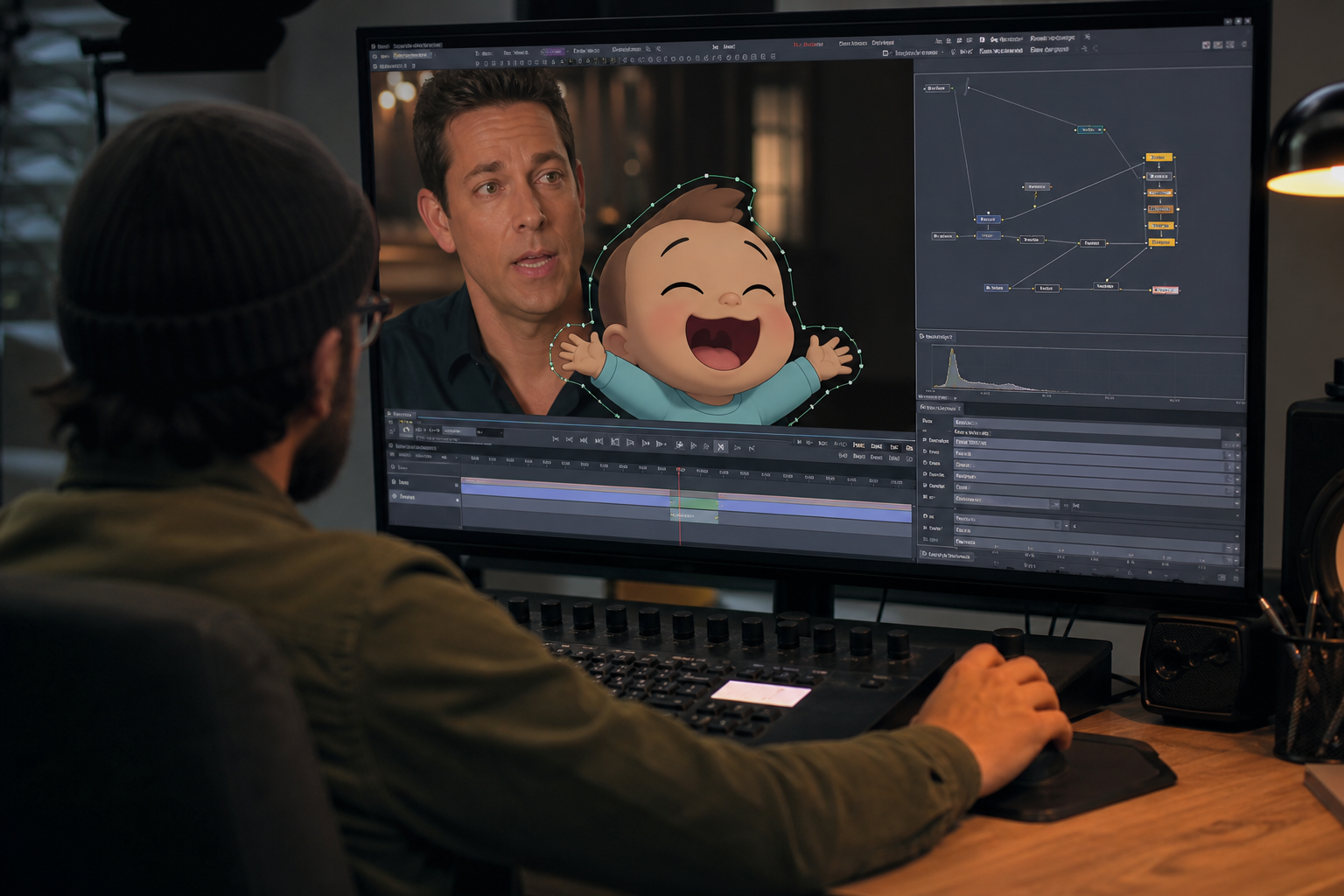
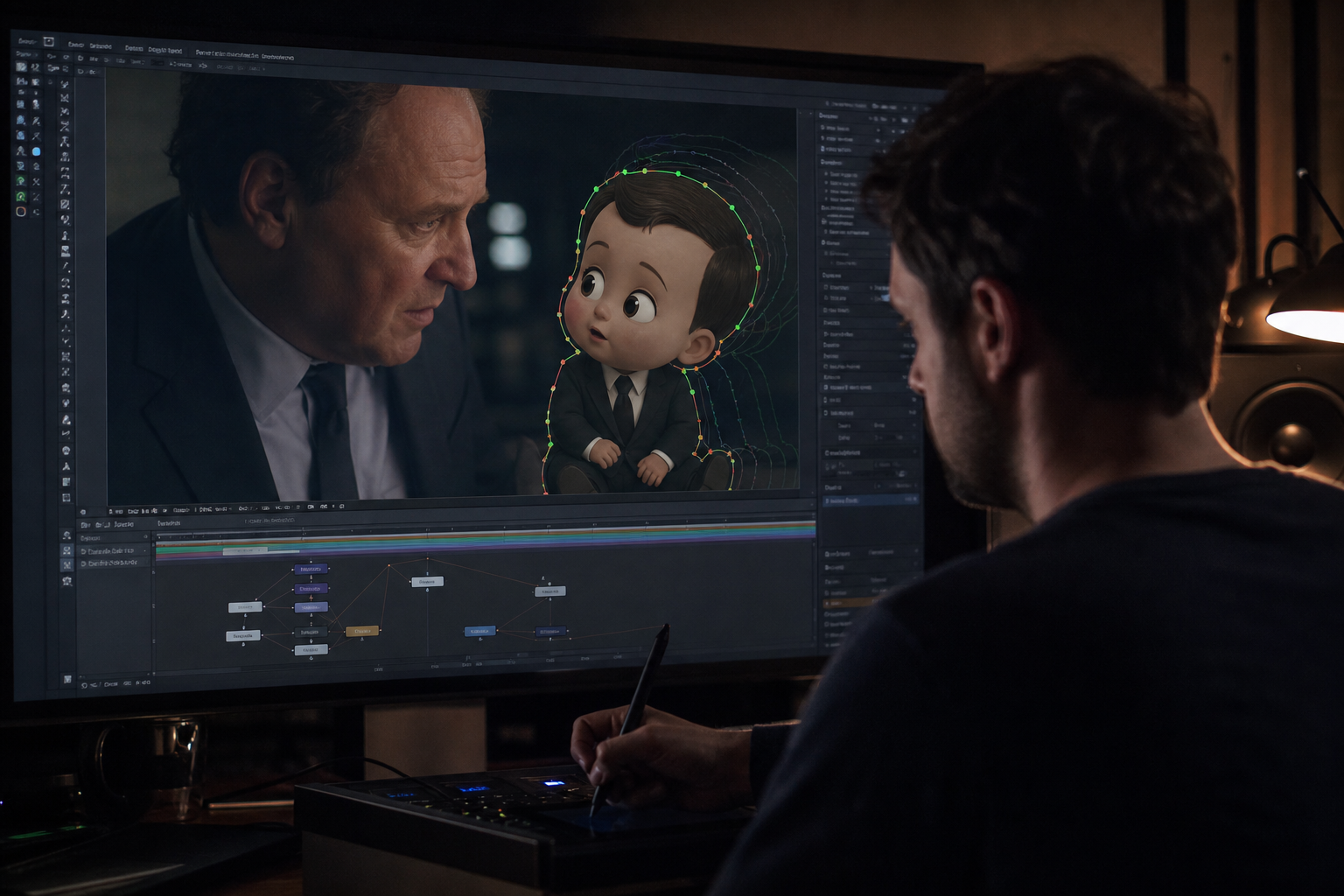
  • The AI baby meme turns celebrities, politicians, and fictional characters into cherubic, baby-faced versions of themselves, usually as short AI-generated videos.
  • The trend exploded in 2025 across TikTok, Instagram, Facebook, and X, fueled by tools like Hedra Character-3, ChatGPT, ElevenLabs, Veo, and Dreamina.
  • Common formats include baby celebrities singing hits, world leaders as toddlers, and movie scenes reimagined with infant casts.
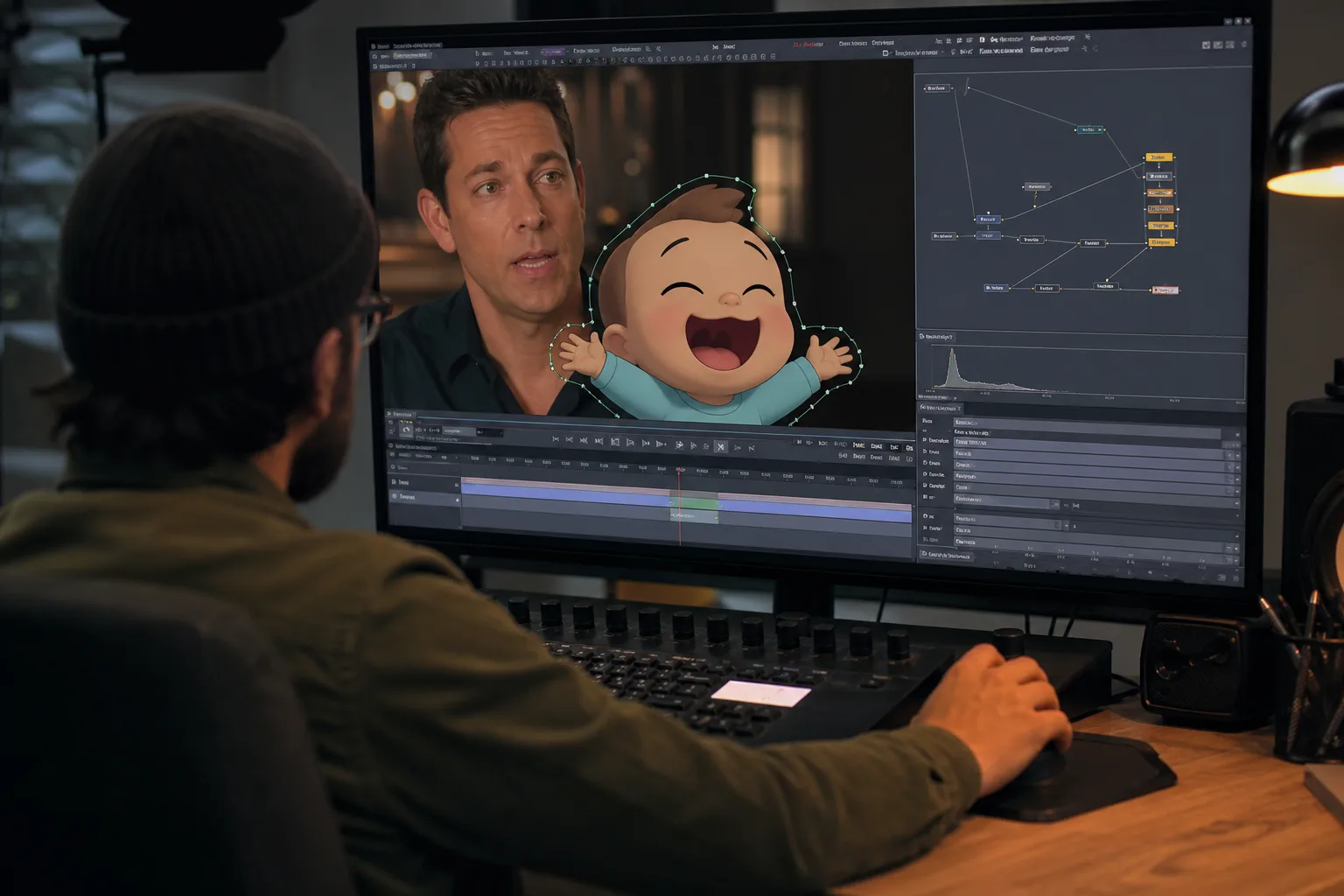
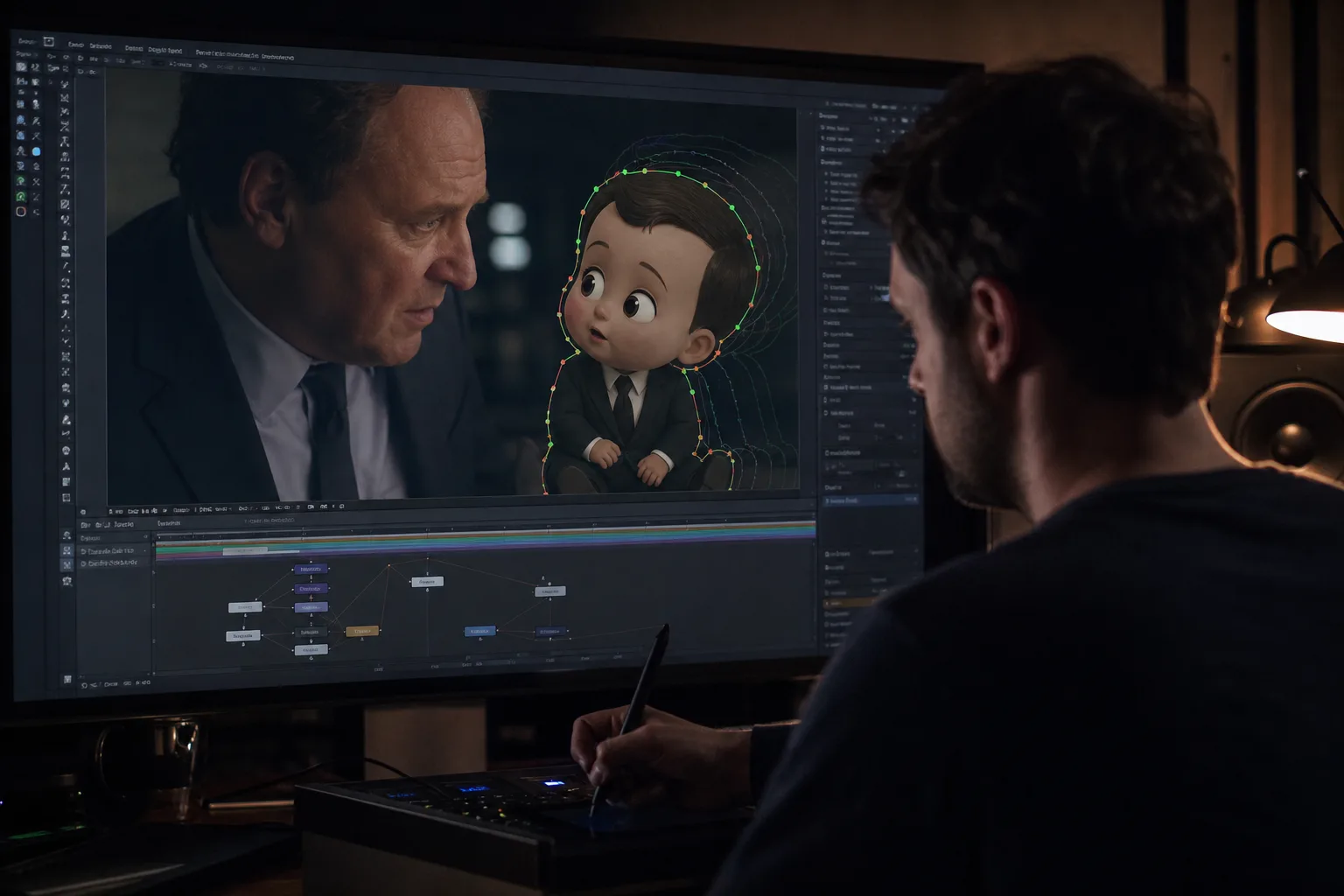
  • Making one requires an AI image generator for the baby photo, a text-to-speech tool for the voice, and an AI video generator to animate the face.
  • Ethical guardrails matter: avoid real children, non-consenting private individuals, and deceptive framing; label AI-generated content clearly.

What Is the AI Baby Meme?

You open TikTok and see a chubby, big-eyed baby version of a famous rapper performing a classic hip-hop track. The comments are split between "cute" and "creepy." Welcome to the AI baby meme, one of the most viral—and most debated—AI content formats of 2025.

These clips are part of a broader wave of "AI slop": low-effort, high-volume, AI-generated content engineered for engagement. The baby filter is not new, but pairing it with lip-syncing, music, and recognizable personas has turned it into a repeatable meme formula. The result is content that spreads fast, divides opinion, and raises real questions about consent, authenticity, and the environmental cost of generative video.

This article explains where the AI baby meme came from, shows the most common examples, provides reusable templates and prompts, and walks you through how to make your own safely and responsibly.

Origin and Rise of the Trend

According to Mashable, the AI baby video trend began in 2025 when AI enthusiasts started making clips of talking babies on podcasts. It quickly evolved into videos of celebrities and public figures as infants. The format spread across TikTok, Facebook, Instagram, and X, with content farms churning out variants at industrial scale.

2025
year the AI baby video trend went mainstream
$32M
funding raised by Hedra, a leading tool powering these videos
1 hr
microwave-energy equivalent to generate one 5-second AI video

The tools behind the trend became accessible at the same time. Hedra's Character-3 model, ChatGPT's image generation, ElevenLabs' voice cloning, and Google's Veo 3 video generator all lowered the barrier to producing realistic baby-faced characters. Mashable notes that most creators use a mix of these tools, and tutorials are easy to find on YouTube and TikTok.

Viral Examples and Formats

The AI baby meme has settled into a handful of repeatable formats. Recognizing them makes it easier to create your own variations or to understand why a particular clip blew up.

FormatDescriptionWhy It Works
Baby Celebrity SingsA famous musician rendered as a baby performs one of their hitsNostalgia + absurdity + shareability
Baby World LeaderPoliticians like Emmanuel Macron shown as toddlersSurprise and humor across political audiences
Baby Movie SceneIconic film moments reimagined with infant castsRecognizable context + uncanny visual twist
Baby Reaction ClipShort loop of a baby-faced character reacting to audioEasy to repurpose as GIF or sticker

Common subjects include musicians, actors, athletes, politicians, and fictional characters. The humor comes from the contrast between the subject's adult persona and the innocent baby visuals. Mashable's examples included Vin Diesel in Fast & Furious, Michael Jackson in "Thriller," and Judge Judy.

Reusable Templates and Prompts

Templates make the meme format predictable and easier to produce. Below are starter prompts you can adapt for image generators like ChatGPT, Midjourney, or DALL·E, and for video generators like Hedra, Veo, or Dreamina.

Image Prompt Template

"A cute 6-month-old baby with [subject's distinctive features: hair color, facial structure, signature clothing or accessory], soft lighting, photorealistic skin, big curious eyes, neutral pastel background, studio portrait style."

Video Prompt Variations

  • Singing baby: "Baby [name] lip-syncing to [song], gentle head bopping, expressive face, 5-second loop, close-up shot."
  • Reaction baby: "Baby [name] making a surprised expression, eyes widening, mouth slightly open, reaction meme style."
  • Movie scene baby: "Baby [name] in the iconic [movie scene], cinematic lighting, matching costume, comedic tone."

For inspiration, Baby Magic's AI baby meme generator offers curated prompt ideas such as "Baby Lemon Reaction," "Baby Sweet Smile," and "Baby Wiggle Dance." These work well as starting points even if you build the video manually.

How to Make an AI Baby Meme Video

Mashable tested TikTok's free AI Alive tool and found the results underwhelming for this specific meme. A polished AI baby video usually requires a paid subscription to at least one generative video tool. Here is the standard workflow.

  1. Generate the baby photo. Upload a reference image of the subject to ChatGPT, Midjourney, or another image generator. Prompt: "Create a baby photo based on this image."
  2. Write a short script or pick audio. Decide what the baby will say or sing. Keep it under 10 seconds for most video generators.
  3. Create the voice. Use ElevenLabs or a similar text-to-speech tool to generate the audio. Avoid cloning real voices without permission.
  4. Animate the image. Upload the baby photo and audio to Hedra, Veo, Dreamina, or another AI video generator. Adjust expression and motion settings.
  5. Edit and caption. Add captions, music, or meme text in a video editor. Export in vertical format for TikTok, Reels, and Shorts.

Google's Veo 3 is currently one of the most advanced video generators but costs $250 per month through Google's AI Ultra subscription. Most casual creators use Hedra, which offers a more accessible entry point.

Ethics, Safety, and Best Practices

The AI baby meme sits at the intersection of humor, deepfake culture, and content farming. That makes it fun to share but risky to create without boundaries.

  • Do not use real children. Creating AI-generated videos of actual minors without consent is unethical and may violate platform policies or local laws.
  • Avoid non-consenting private individuals. Public figures are frequently parodied, but private people deserve privacy.
  • Label AI-generated content. Platforms increasingly require AI labels, and transparency builds trust with your audience.
  • Consider the environmental cost. MIT Technology Review reports that generating one 5-second AI video consumes roughly the same energy as running a microwave for a full hour.
  • Watch for misinformation. Baby versions of politicians can be funny satire or deceptive slop depending on context and labeling.

Frequently Asked Questions

What is the AI baby meme?

The AI baby meme uses generative AI to create baby-faced versions of celebrities, politicians, fictional characters, or other public figures, usually as short videos that lip-sync, react, or perform iconic scenes. It went viral in 2025 across TikTok, Instagram, Facebook, and X.

How do I make an AI baby video?

Generate a baby photo with an image AI like ChatGPT or Midjourney, create audio with a text-to-speech tool like ElevenLabs, and animate the image with a video generator like Hedra, Veo, or Dreamina. Add captions and export in vertical format for short-form platforms.

Is it free to make AI baby memes?

Free tools like TikTok's AI Alive can animate images but often produce lower-quality results. Polished AI baby videos usually require paid subscriptions to image, voice, and video generators. Costs range from a few dollars per month to $250 per month for premium video models like Veo 3.

Which AI tools are used for AI baby videos?

Popular tools include ChatGPT and Midjourney for images, ElevenLabs for voice, and Hedra Character-3, Google Veo 3, and Dreamina for video. Creators often combine multiple tools to get the best result.

Are AI baby videos ethical?

They can be ethical when they target public figures, are clearly labeled as AI-generated, and avoid real children or non-consenting private individuals. Concerns include consent, misinformation, content farming, and the environmental cost of generative video.

Can I use AI baby memes for marketing?

Brands can use original, clearly labeled AI baby content for campaigns, but should avoid real people unless they have permission. The format works best when it aligns with a brand's tone and does not deceive viewers. See our AI burger marketing campaigns article for related brand meme strategies.

Why do some people find AI baby videos creepy?

The uncanny valley plays a role: baby faces with adult expressions and voices feel familiar but slightly off. There is also discomfort around using real people's likenesses and the broader rise of low-quality AI slop flooding social feeds.

What makes an AI baby meme go viral?

Virality usually comes from combining a recognizable subject, a catchy audio track, a surprising visual twist, and easy shareability. Timing, trend participation, and platform algorithms also matter. Formats that work as reaction GIFs or stitches tend to spread fastest.

Conclusion

The AI baby meme is a case study in how quickly generative tools can turn a simple visual gag into a global content format. Whether you find it adorable, uncanny, or a symptom of AI slop, it is impossible to ignore. For creators, the opportunity is to participate thoughtfully: use recognizable templates, invest in decent tooling, and respect the ethical lines around consent and disclosure.

Ready to explore more AI meme culture? Check out our guide to Goofy Ahh AI images or browse the full Viral AI Trends & Memes collection.