

Will AI Replace CGI? The Ultimate Beginner's Guide
Will AI Replace CGI? The Ultimate Beginner's Guide: a deep-dive analysis from AI Agency Framework. Research, FAQs, and actionable insights.
Read ArticleVideo, Film & Visual AI: how AI is transforming this space. Browse 9 in-depth articles, comparisons, and guides.
Welcome to the dedicated hub for Video, Film & Visual AI within the AI Agency Framework. As artificial intelligence fundamentally reshapes the modern digital landscape, navigating this specific sector requires more than just surface-level awareness—it demands a rigorous, analytical approach. This cluster is designed to serve as your comprehensive roadmap, aggregating our most critical deep-dives, trend analyses, and practical guides.
Our editorial team continuously monitors the rapid developments in this field to ensure that every spoke article listed below reflects the absolute cutting edge of AI discourse. We recognize that professionals, researchers, and enthusiasts alike struggle with information overload. Therefore, we have meticulously structured this repository to highlight only the most high-impact insights. By categorizing our research into distinct, focused clusters like this one, we strip away the noise and deliver actionable intelligence.
Whether you are evaluating new methodologies, observing cultural shifts, or seeking robust tools to augment your daily operations, the content within this section provides the context necessary to make informed decisions. We encourage you to utilize the filtering options above to sort by popularity or recency, allowing you to quickly locate the exact resources that align with your immediate goals.
Bookmark this page as your primary reference point for all developments related to Video, Film & Visual AI, as our database is updated frequently to reflect the ever-accelerating pace of technological innovation. Should you require further clarification on any of these topics, please consult our related clusters or reach out directly through our contact portal.
Will AI Replace CGI? The Ultimate Beginner's Guide: a deep-dive analysis from AI Agency Framework. Research, FAQs, and actionable insights.
Read Article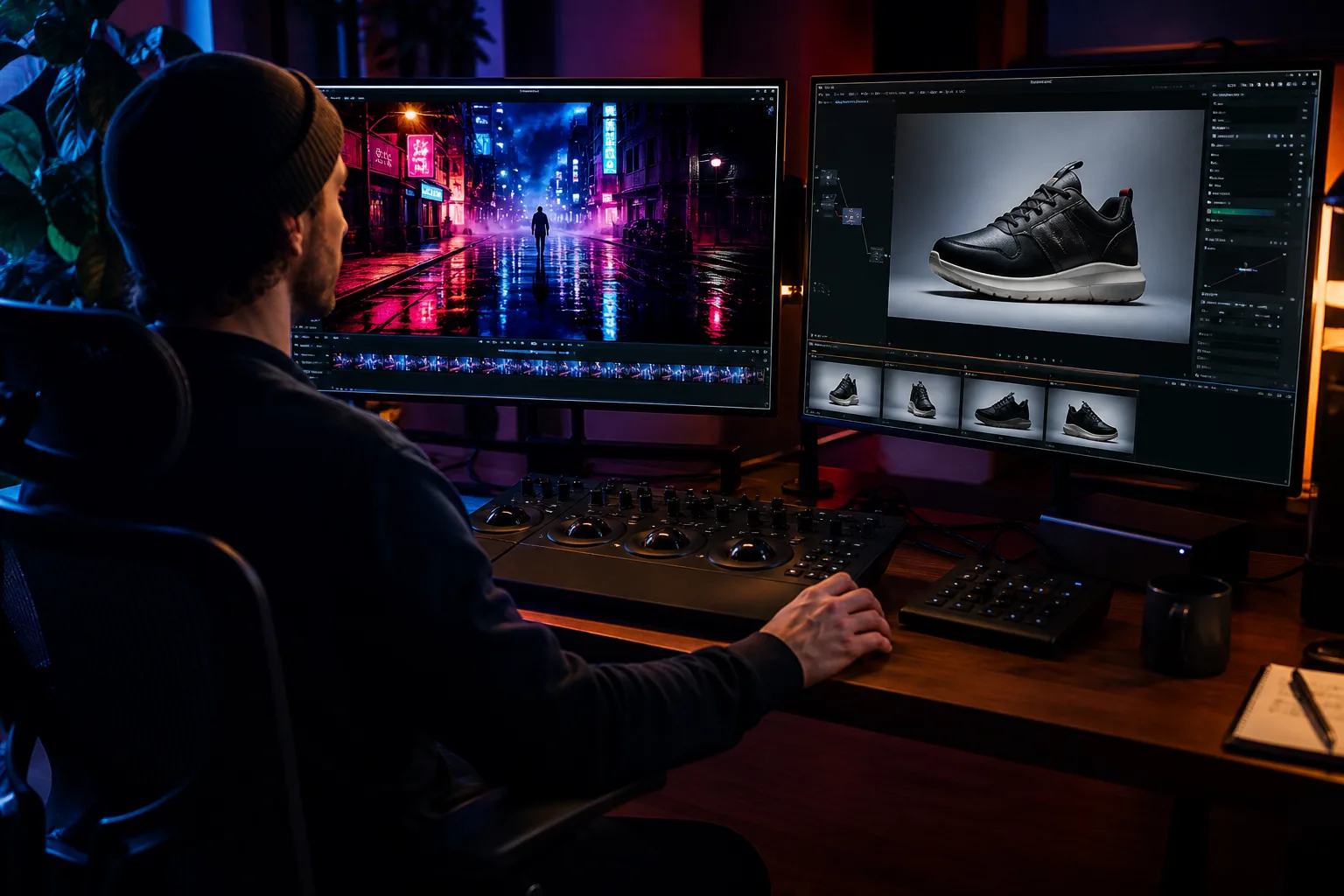
Text-to-video vs image-to-video: text invents the first frame; an uploaded still locks it. OpenAI Sora input_reference and Google Veo first-frame docs, with Sora 2 API sunset 24 Sep 2026.
Read Article
Can Claude AI Generate Images? (Plus Best Workarounds): a deep-dive analysis from AI Agency Framework. Research, FAQs, and actionable insights.
Read Article
5 Best AI FaceTime & Video Call Apps to Look Perfect: a deep-dive analysis from AI Agency Framework. Research, FAQs, and actionable insights.
Read Article
7 Best AI Horror Generators (That Will Give You Nightmares): a deep-dive analysis from AI Agency Framework. Research, FAQs, and actionable insights.
Read Article
The Biggest Myths About Human Video vs AI Video Debunked: a deep-dive analysis from AI Agency Framework. Research, FAQs, and actionable insights.
Read Article
Traditional vs AI Photo Restoration: Which is Better?: a deep-dive analysis from AI Agency Framework. Research, FAQs, and actionable insights.
Read Article
Which is Best for Text Effects? Photopea vs Canva vs Midjourney: a deep-dive analysis from AI Agency Framework. Research, FAQs, and actionable insights.
Read Article
5 Best AI Rotoscoping Tools to Save Hours of Editing: a deep-dive analysis from AI Agency Framework. Research, FAQs, and actionable insights.
Read Article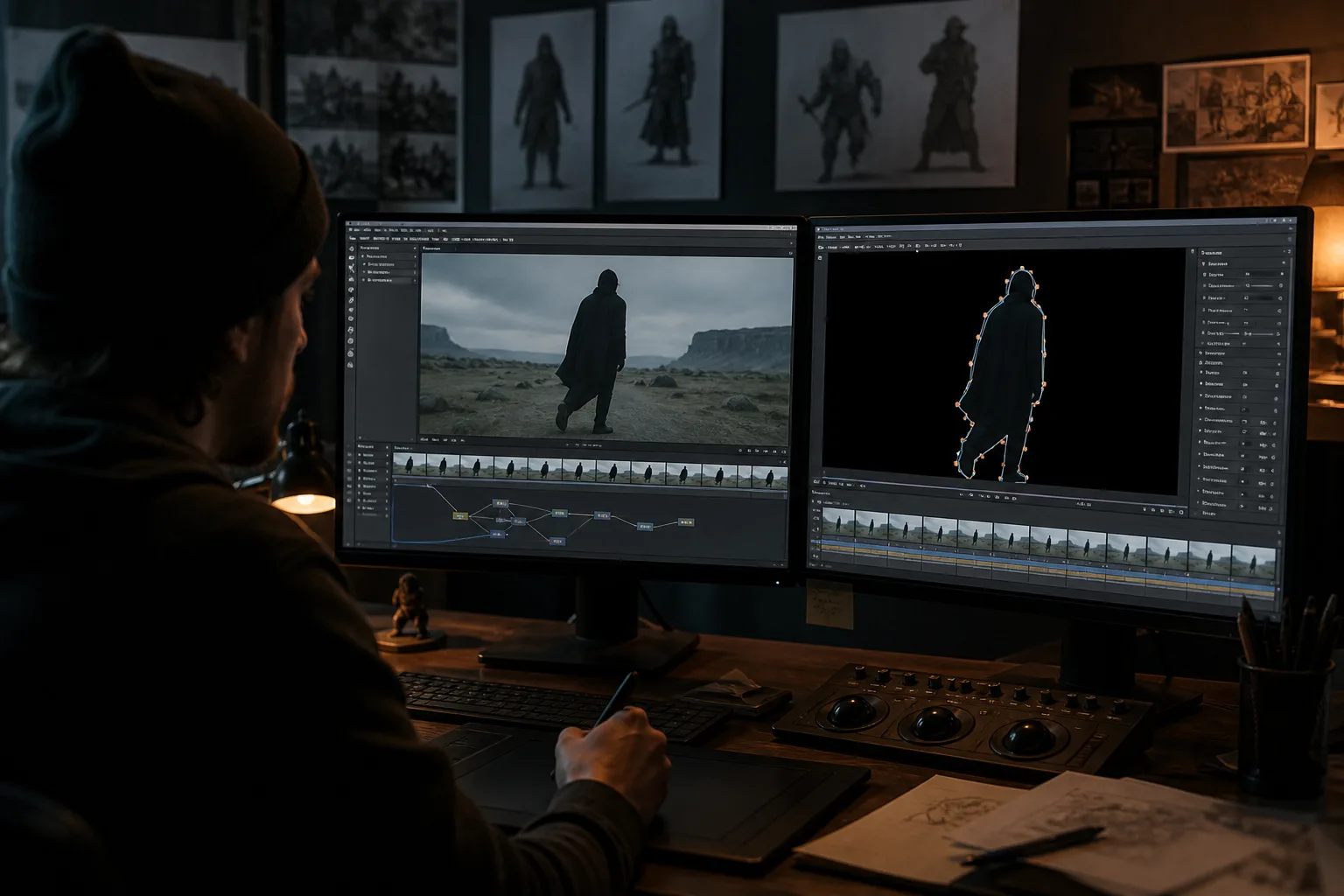
Advanced AI rotoscoping: spline propagation assistants, SAM2/matting hybrids, and QC habits beyond basic auto-masks.
Read Article
AI in Superman Filmmaking: What James Gunn Revealed: a deep-dive analysis from AI Agency Framework. Research, FAQs, and actionable insights.
Read ArticleMake AI Agency Framework a Preferred Source
Keep AI-agency explainers highlighted in Google Search and AI Overviews.